Artificial intelligence continues to evolve at an extraordinary pace. While model capabilities often dominate headlines, the most significant changes are occurring within the infrastructure that enables AI at scale.
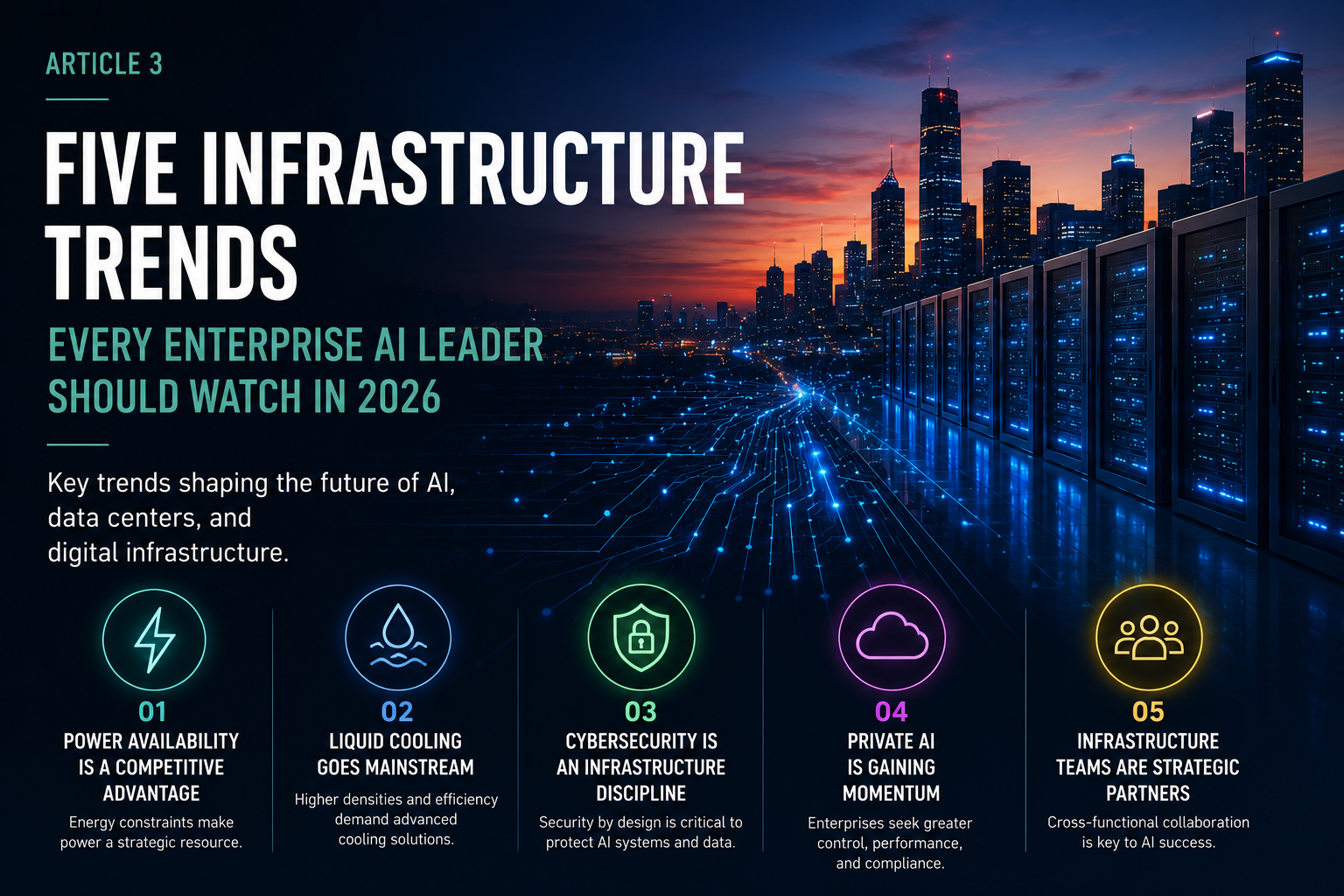
Here are five trends every enterprise technology leader should be watching.
1. Power Availability Is Becoming a Competitive Advantage
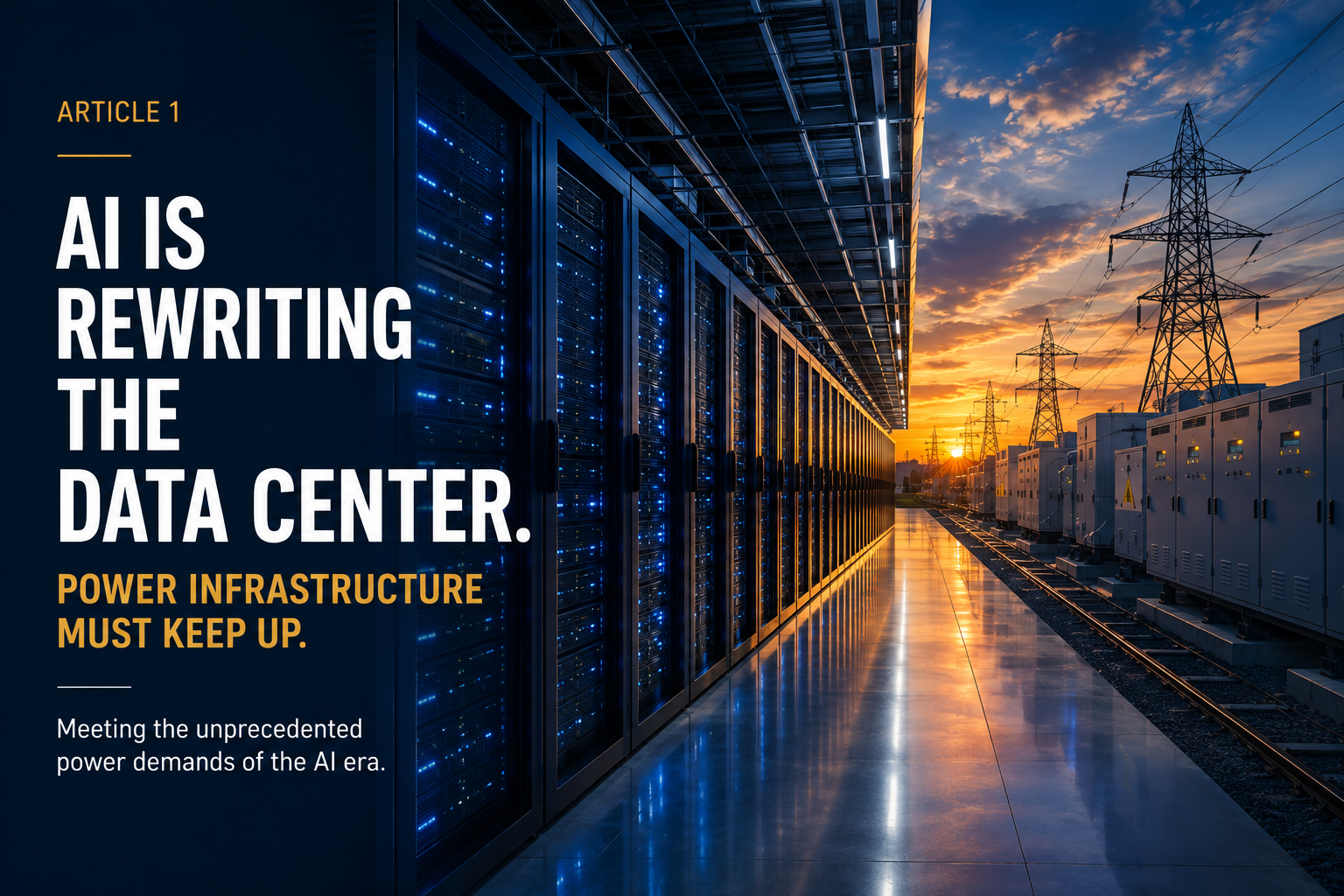
Many organizations are discovering that the greatest obstacle to AI expansion is not funding or hardware availability, but access to electrical capacity.
Grid constraints, long equipment lead times, and utility interconnection delays are forcing companies to incorporate energy planning into long-term AI strategies.
Power has become a strategic resource.
2. Liquid Cooling Is Entering the Mainstream
As processor power consumption continues to rise, traditional air cooling is approaching practical limits.
Direct-to-chip liquid cooling and hybrid cooling architectures are rapidly moving from niche deployments into mainstream AI facilities, improving efficiency while enabling significantly higher rack densities.
Organizations building new AI infrastructure should evaluate these technologies early in the design process.
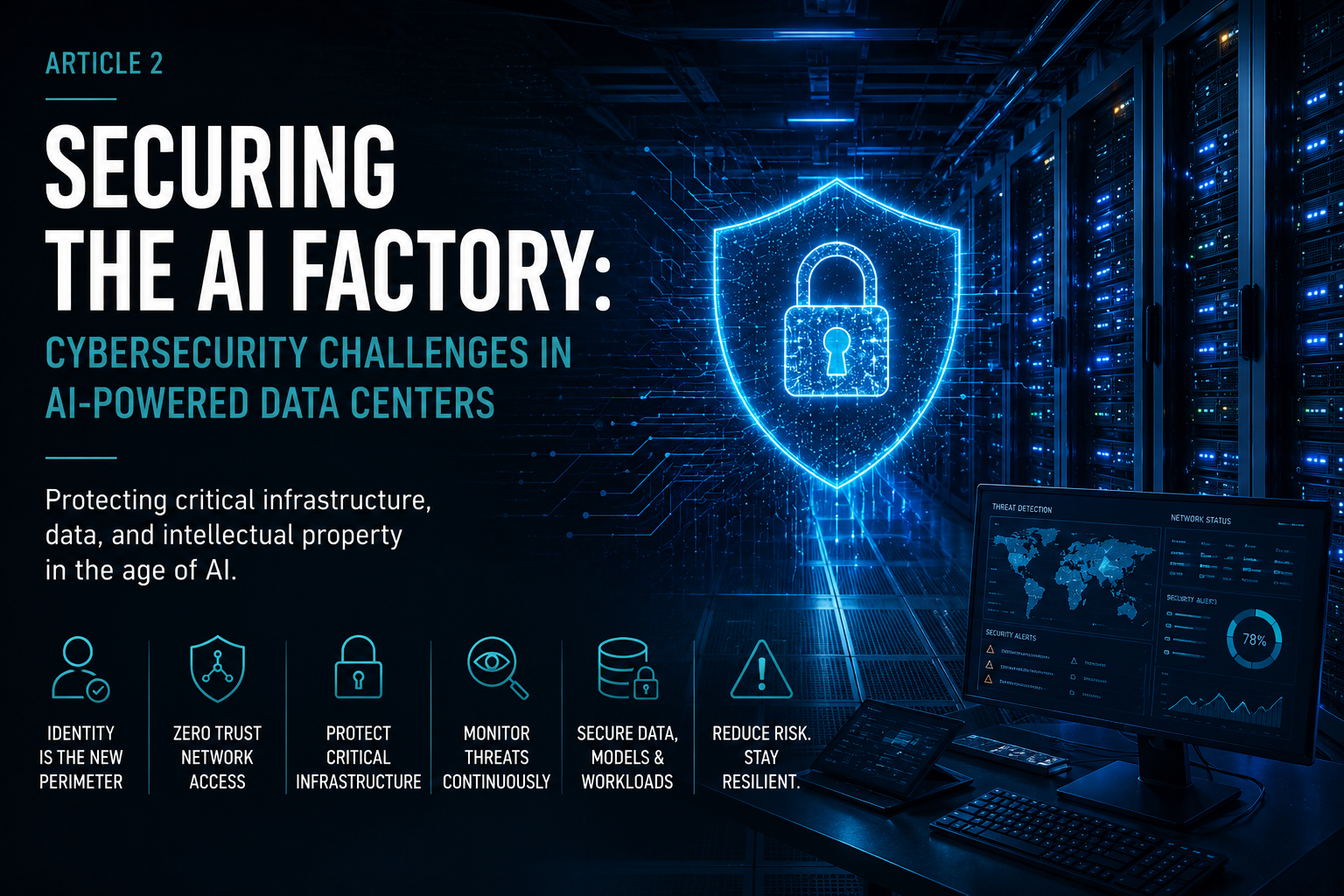
3. Cybersecurity Is Becoming an Infrastructure Discipline
AI systems process valuable data, operate expensive hardware, and increasingly connect to critical business processes.
Protecting AI requires more than endpoint security. Identity management, network segmentation, operational technology security, physical access controls, and governance must all work together to reduce organizational risk.
Security architecture should evolve alongside infrastructure architecture.
4. Private AI Is Gaining Momentum
While public AI services continue to grow, many enterprises are investing in private AI environments that offer greater control over proprietary information, regulatory compliance, and operational performance.
This trend is driving demand for on-premises GPU clusters, hybrid cloud strategies, and purpose-built AI data centers.
5. Infrastructure Teams Are Becoming Strategic Partners
Historically, facilities and infrastructure teams were often viewed as support organizations.
Today, they are central to AI success.
Electrical engineers, network architects, cybersecurity professionals, mechanical engineers, and operations teams now play a direct role in determining how quickly organizations can deploy and scale AI initiatives.
The conversation has shifted from "keeping the lights on" to enabling competitive advantage.
Final Thoughts
The organizations that succeed with AI over the coming decade will not simply adopt better software. They will build resilient, secure, and scalable infrastructure capable of supporting rapid innovation.
AI is transforming far more than applications. It is reshaping how we design data centers, secure critical infrastructure, and think about the future of power itself.
For engineering leaders, technology executives, and infrastructure professionals alike, understanding these trends is no longer optional. It is becoming a core business requirement.