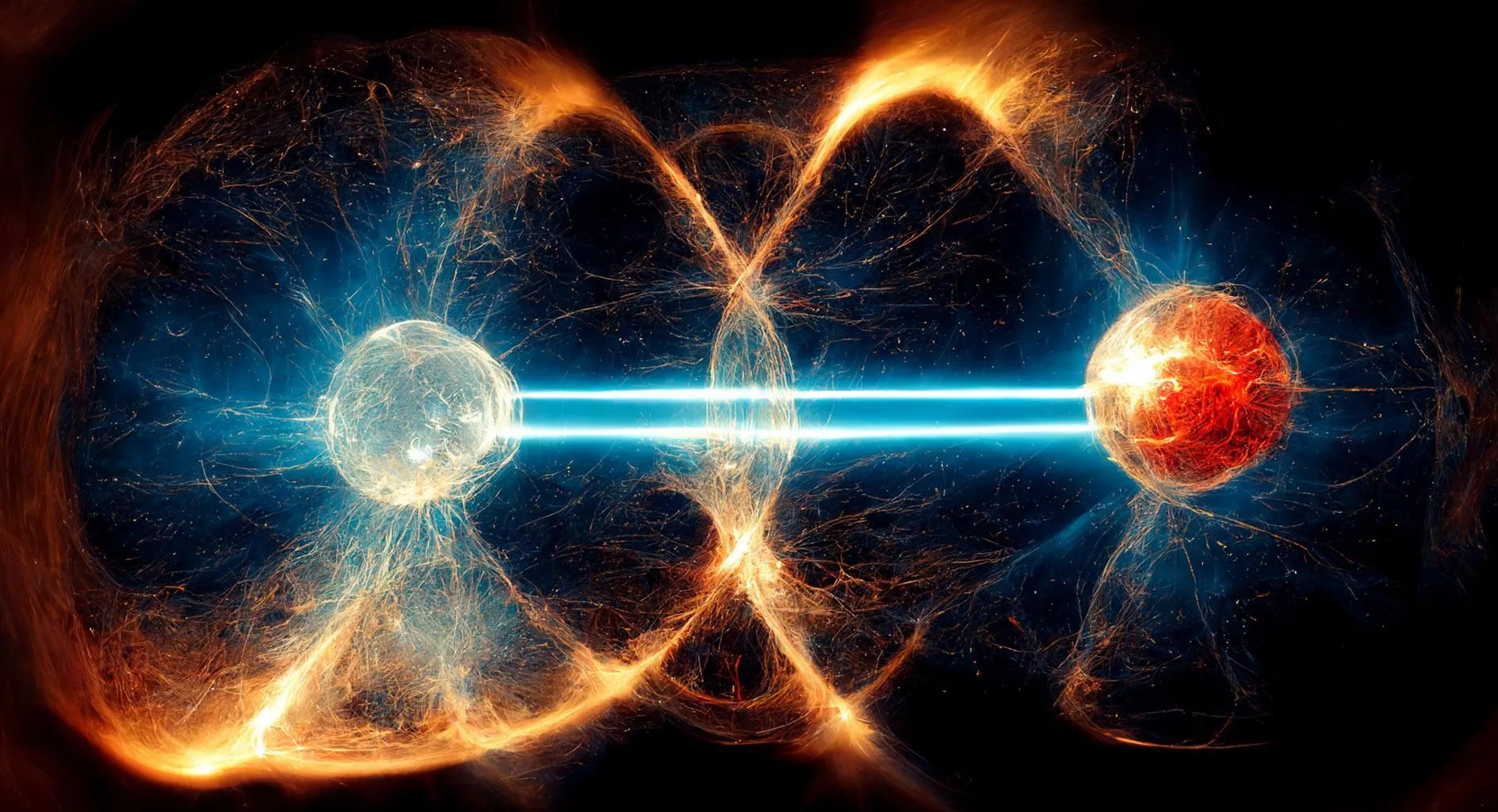
Nuclear energy encompasses two fundamentally different approaches to harnessing atomic power: fission (splitting heavy atoms) and fusion (combining light atoms). Both offer the promise of abundant, carbon-free energy, but they sit at very different points on the technology readiness spectrum.
Fission — Proven and Evolving: • Mature technology with 70+ years of operational experience • Advanced designs (Gen IV, SMRs) address historical concerns • Challenges: waste management, public perception, regulatory timelines • Near-term opportunity for data center baseload power
Fusion — The Ultimate Promise: • Virtually unlimited fuel supply (deuterium from seawater) • No long-lived radioactive waste • Challenges: achieving net energy gain, materials science, commercialization timeline • Multiple private companies targeting 2030s demonstration plants
For infrastructure planners today, fission represents the actionable path — particularly through SMRs and microreactors that can be deployed within current planning horizons. Fusion remains a longer-term opportunity that warrants monitoring but cannot yet factor into near-term capacity planning.